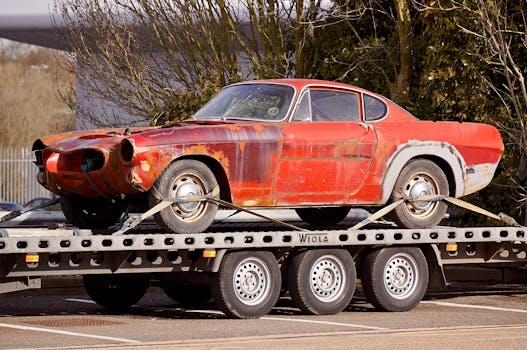
It’s a surprisingly common predicament: you look at your car, a depreciating asset that’s lost value faster than you expected, and then you look at your loan statement, realizing you owe more on it than the car is actually worth. This is the dreaded “upside down car loan” scenario. You’re not alone; millions of drivers find themselves in this financial bind. But feeling stuck doesn’t have to be your reality. This guide is packed with direct, actionable advice to help you understand, manage, and ultimately escape this situation.
Understanding the Mechanics of Negative Equity
So, what exactly makes a car loan “upside down”? It’s simple: your outstanding loan balance exceeds the current market value of your vehicle. This often happens for a few key reasons. Firstly, cars depreciate rapidly, especially in the first few years of ownership. Loan terms are also getting longer, meaning you’re paying interest over a longer period, and the principal balance shrinks more slowly. Combine these factors, and you can easily find yourself owing more than your car is worth.
Consider this: if you buy a new car for $30,000 and finance it with a 72-month loan and a small down payment, its value can plummet to $25,000 within a year. If your loan balance is still $28,000, congratulations, you’re upside down by $3,000. It’s a frustrating reality, but one that’s manageable with the right approach.
Option 1: The Waiting Game – When Patience Pays Off
One of the most straightforward, albeit not always fastest, solutions is to simply continue making your monthly payments. Over time, as you pay down the principal and the car continues to depreciate (though at a slower rate), the gap between your loan balance and the car’s value will eventually close.
Calculate the Break-Even Point: Figure out how long it will take to reach parity. Divide your current loan balance by your monthly principal payment (not including interest). This gives you a rough estimate of how many months it will take to owe less than the car is worth.
Avoid Adding More Miles: Excessive mileage accelerates depreciation. If possible, try to minimize your driving.
Maintain Your Vehicle: A well-maintained car, even with higher mileage, can retain more value than one that’s neglected. Regular oil changes and keeping up with recommended service can make a difference.
While this approach requires patience, it avoids the complexities and potential costs of other methods. However, it doesn’t help if you need to sell or trade in your vehicle sooner rather than later.
Option 2: Increasing Your Payments – Accelerating Your Escape
If waiting isn’t your style or your financial situation allows, you can speed up the process of getting out from under your upside down car loan by paying more than your minimum monthly payment.
Target Extra Payments Wisely: When making an extra payment, explicitly instruct your lender to apply the additional amount directly to the principal. This is crucial; otherwise, it might just get applied to next month’s payment.
Consider Bi-Weekly Payments: Paying half your monthly payment every two weeks often results in one extra full payment per year, which can significantly reduce your loan term and total interest paid. Check with your lender to ensure this is applied correctly to your principal.
Round Up: Even rounding up your monthly payment by $50 or $100 can make a noticeable dent in your principal balance over time.
This strategy directly tackles the negative equity by reducing your balance faster. It’s a proactive approach that can save you money on interest and get you out of the hole sooner.
Option 3: Selling or Trading: The Hard Choices
This is where things can get tricky, but sometimes necessary. If you need to get rid of the vehicle, you’ll likely have to cover the difference between the car’s sale price (or trade-in value) and your outstanding loan balance.
Private Sale vs. Dealership Trade-In: A private sale typically yields a higher price than a dealership trade-in. However, it involves more effort on your part.
Be Realistic About Value: Use online resources like Kelley Blue Book (KBB), Edmunds, or NADA Guides to get a realistic estimate of your car’s market value. Don’t rely on the dealer’s initial offer alone.
Negotiate the Difference: If you’re trading in, understand that dealers often roll negative equity into a new loan. This can lead to you being upside down on your next car loan. If possible, try to negotiate paying the difference out-of-pocket, or at least understand how much they are adding to your new loan.
This option forces you to confront the negative equity head-on. It requires you to have cash on hand or be willing to take out a small personal loan to bridge the gap. It’s not ideal, but it can free you from a bad car loan.
Option 4: Loan Modification or Refinancing (With Caveats)
In some situations, you might explore refinancing your car loan. However, this is often challenging when you’re upside down. Many lenders are hesitant to refinance a loan where the collateral (your car) is worth less than the loan amount.
Refinancing for a Lower Rate: If you have excellent credit and the market value of your car has improved significantly, you might be able to refinance for a lower interest rate, which would reduce your monthly payments and the total interest paid. This doesn’t directly solve being upside down but can make payments more manageable.
Cash-Out Refinance (Rare): In very rare cases, if your car has retained significant value and your loan balance is low, a refinance might allow you to borrow more than you owe to use for other purposes. This is not a solution for being upside down; it’s for when you have positive equity.
Personal Loan as a Solution: Some people opt to take out an unsecured personal loan to pay off their car loan. This can be beneficial if the personal loan has a lower interest rate and a shorter term than your car loan. It severs the link between your car and your debt, but you still owe the money.
Refinancing is generally a less viable option when you have negative equity, as the underlying problem of owing more than the asset is worth remains. It’s more effective when you have positive equity or need to adjust your interest rate.
Avoiding the Trap: Preventing Future Upside Down Loans
The best strategy is to avoid getting into this situation in the first place. Here’s how:
Make a Substantial Down Payment: The more you put down, the less you’ll finance, and the less likely you are to be upside down. Aim for at least 10-20%.
Choose Longer Loan Terms Carefully: While longer terms mean lower monthly payments, they also mean paying more interest over time and a greater risk of being upside down. If you opt for a longer term, ensure you can afford it and be prepared for the depreciation curve.
Buy Used Cars: New cars depreciate most heavily in their first few years. Buying a pre-owned vehicle that’s a few years old can mean you’re buying at a point where depreciation has already slowed down.
Negotiate Hard and Shop Around: Get the best possible price on your car and the best interest rate on your loan. This reduces your principal balance and the interest you pay from the outset.
* Consider Gap Insurance: This insurance covers the difference between what your car is worth and what you owe on your loan if your car is totaled or stolen. It’s a crucial safety net when you’re close to or already upside down.
Final Thoughts: Taking Control of Your Auto Debt
Being upside down on your car loan can feel like a financial anchor. The key is to approach it with a clear understanding of your options and a proactive mindset. Whether you choose to wait it out, accelerate your payments, or bite the bullet and sell, there’s a path forward. My advice? Start by accurately assessing your car’s current market value and comparing it to your loan balance. This single step will clarify your situation and empower you to choose the most effective strategy for your financial well-being. Don’t let negative equity define your financial future; take action today.