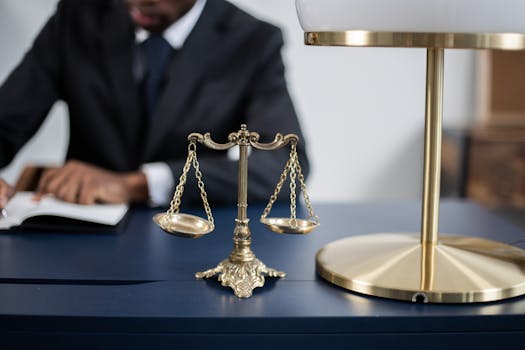
Imagine a high-stakes chess match. On one side, a player meticulously defends their king, anticipating every move, seeking every loophole. On the other, a player aggressively pushes their pieces forward, building a case to capture the opponent’s monarch. This, in essence, is the fundamental dynamic when we discuss the defense attorney vs. prosecutor. While the legal system is far more nuanced than a board game, this analogy captures the adversarial nature and the distinct, yet equally vital, roles these legal professionals play in dispensing justice. For those with a deeper interest in legal intricacies, understanding this dichotomy isn’t just academic; it’s crucial to grasping how our justice system truly functions.
The Prosecutor: The Crown’s Advocate
The prosecutor’s role is often perceived as straightforward: to bring charges against an accused individual and secure a conviction. However, their mandate extends beyond mere prosecution. They are, in many jurisdictions, referred to as the “people’s lawyer” or the “state’s attorney.” This title underscores their obligation not just to win cases, but to seek justice.
#### Burden of Proof: A Heavy Responsibility
The most defining characteristic of a prosecutor’s role is bearing the burden of proof. This means they must present sufficient evidence to convince a judge or jury, beyond a reasonable doubt, that the defendant committed the crime. This is an exceptionally high standard, reflecting the seriousness of depriving someone of their liberty. It’s a demanding task, requiring meticulous investigation, expert witness coordination, and compelling narrative construction.
Investigative Partnership: Prosecutors often work hand-in-hand with law enforcement during the initial investigation, guiding police on what evidence is needed to build a strong case.
Charging Decisions: They possess significant discretion in deciding whether to press charges, what specific charges to file, and whether to offer plea bargains. This power necessitates careful ethical consideration.
Trial Presentation: The courtroom is their arena. They present evidence, question witnesses, and argue their case, aiming to persuade the fact-finder of the defendant’s guilt.
The Defense Attorney: The Accused’s Champion
Conversely, the defense attorney’s primary allegiance is to their client, the accused. Their role is to ensure the defendant’s constitutional rights are protected throughout the legal process and to present the strongest possible defense against the charges. This doesn’t mean they believe their client is innocent; it means they advocate for their client’s legal rights and ensure the prosecution meets its high burden of proof.
#### Upholding Due Process: A Cornerstone of Fairness
A defense attorney is the bulwark against potential state overreach. They scrutinize the prosecution’s evidence, challenge its admissibility, and explore alternative explanations for the alleged events. In my experience, the most effective defense attorneys are those who can meticulously dismantle the prosecution’s narrative, not by fabricating stories, but by highlighting inconsistencies, challenging assumptions, and pointing to the absence of conclusive proof.
Client Consultation: Building trust and understanding the client’s perspective is paramount. Defense attorneys must thoroughly investigate their client’s account of events.
Challenging Evidence: This can involve filing motions to suppress illegally obtained evidence, cross-examining prosecution witnesses to expose biases or inaccuracies, and questioning the reliability of forensic findings.
Plea Negotiations: While trial is an option, defense attorneys also skillfully negotiate with prosecutors for favorable plea agreements, seeking the best possible outcome for their client, which might include reduced charges or sentencing.
The Interplay: More Than Just Opponents
The common misconception is that the defense attorney vs. prosecutor battle is one of pure antagonism. While adversarial, it’s a structured conflict designed to unearth the truth. Both roles are integral to a functioning justice system. The defense attorney forces the prosecution to rigorously prove its case, thereby safeguarding against wrongful convictions – a benefit to society as a whole.
#### Navigating Ethical Boundaries
It’s crucial to recognize that both roles operate within strict ethical guidelines. Prosecutors are bound by their duty to seek justice, which can sometimes mean dismissing charges if evidence proves insufficient or new exculpatory evidence emerges. Defense attorneys are bound by attorney-client privilege and cannot knowingly present false evidence, but they are ethically permitted, and indeed obligated, to test the prosecution’s case to its limits.
Beyond the Courtroom: Societal Impact and Perception
The public perception of the defense attorney vs. prosecutor is often shaped by media portrayals. Prosecutors are sometimes depicted as heroic figures fighting crime, while defense attorneys can be seen as protectors of criminals. The reality is far more complex and, frankly, more vital.
A robust defense bar is essential for a free society. Without skilled defense attorneys, the scales of justice would inevitably tip, leading to an increase in miscarriages of justice. Conversely, a diligent prosecutor ensures that those who genuinely commit crimes are held accountable, fostering public safety and trust in the legal system.
The Evolution of Roles in Modern Justice
The legal landscape is constantly evolving, and so too are the dynamics between these two crucial legal figures. Advances in forensic science, the proliferation of digital evidence, and evolving societal attitudes towards crime and punishment all influence how both prosecutors and defense attorneys approach their cases.
Technology’s Influence: The digital age has presented new challenges and opportunities. Prosecutors must navigate the complexities of digital evidence collection and presentation, while defense attorneys must be adept at challenging its authenticity and chain of custody.
Sentencing Reform: Debates around sentencing reform have placed a greater emphasis on rehabilitation and alternatives to incarceration, influencing the strategic considerations of both sides during plea negotiations and trials.
* Public Defender System: The existence and effectiveness of public defender offices highlight the societal commitment to ensuring that even those who cannot afford legal representation have access to a strong defense. This often involves under-resourced but dedicated attorneys working tirelessly against well-funded prosecution offices.
Final Thoughts: The Indispensable Balance
Ultimately, the perceived adversarial nature of the defense attorney vs. prosecutor is not a flaw in the system, but its very engine. It is the tension between these two forces – the state’s mandate to enforce laws and the individual’s right to a vigorous defense – that drives towards a more accurate and equitable outcome. Understanding this dynamic is not just for legal professionals; it’s for any citizen who values a just society. If you ever find yourself facing legal scrutiny, remember that having a skilled advocate in your corner is not a luxury; it is a fundamental right that underpins the entire edifice of our legal framework.